
Service
Brand Strategy
Clarify what your brand stands for, who it serves, and why the right buyers should choose it.
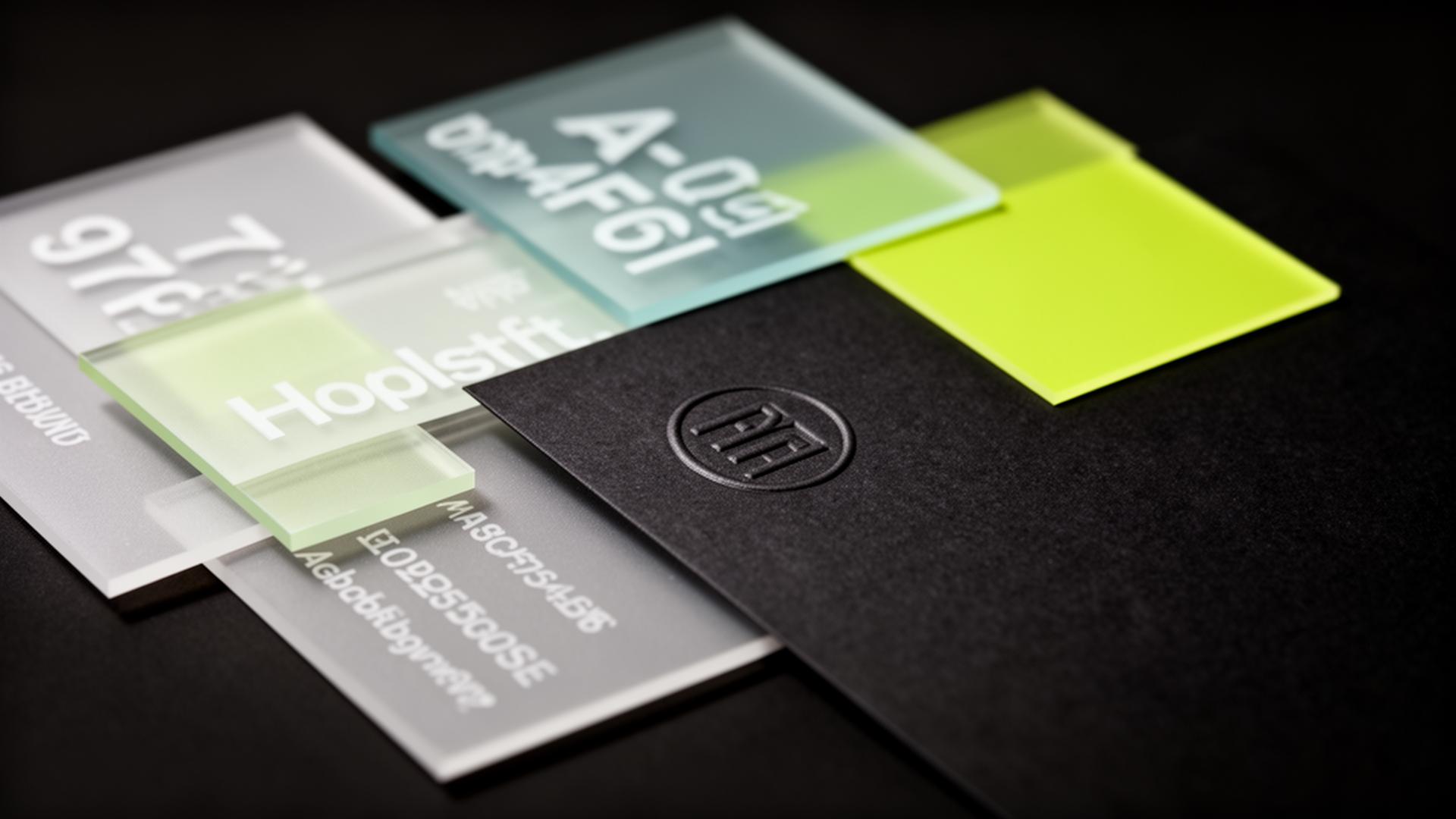
Overview
Brand strategy gives marketing, sales, product, and leadership a shared answer to the same questions: Who are we for? What problem do we solve? What makes us a credible choice? What should every customer-facing team say and show consistently?
ThickLabel turns those decisions into an applied brand system. Depending on the brief, the work can cover audience and competitor research, positioning, value proposition, messaging, voice, identity direction, and guidance for rollout across priority channels.
The problem we solve
Why teams come to us for brand strategy
The need often appears as a copy or design problem. The website sounds like competitors. Sales uses a different story from marketing. A new offer does not fit the original brand. A launch, expansion, or leadership change exposes decisions the team has never made clearly.
Those symptoms can point to an operating gap: the company lacks a position that is specific enough to guide real choices. When that gap remains unresolved, more campaigns, pages, decks, or identity work can multiply the inconsistency.
What changes
What ThickLabel changes
- A defined priority audience and market context for the brand.
- A positioning and value proposition the team can explain and apply.
- A messaging hierarchy that connects the core promise to supporting proof.
- Clear verbal and visual principles for customer-facing work.
- A practical reference for marketing, sales, product, and external partners.
What we cover
Inside brand strategy
Every engagement is built from these capabilities — used together or à la carte depending on where you need lift.
Brand Identity Development
Logo, mark, color, and type systems grounded in your positioning — not trend-chasing.
Learn more →Visual Design Systems
Component libraries and design tokens that document how the brand applies across shared product and marketing surfaces.
Learn more →Brand Messaging & Voice
Value proposition, narrative arc, and voice guide with real examples your team can use.
Learn more →Competitive Analysis
Positioning, messaging, identity, and category comparisons organized to surface credible areas of differentiation.
Learn more →Brand Guidelines Creation
A single, usable document covering identity, voice, do's and don'ts, and applied examples.
Learn more →Deliverables
What you walk away with
- Audience, category, and competitor research
- Brand positioning and value proposition
- Messaging hierarchy, narrative, and proof map
- Voice and tone guidance with applied examples
- Identity direction or a coordinated visual identity system when included in scope
- Brand guidelines and rollout priorities, with exact deliverables set by the approved scope
Ideal for
Who this is built for
- Companies entering a crowded market or a new category
- Teams whose product, offer, or audience has outgrown the original brand
- Organizations preparing for a launch, expansion, merger, acquisition, or leadership transition
- Marketing and sales teams using different explanations of the same business
- Multi-offer or multi-location businesses that need clearer brand architecture
Process
How the engagement runs
- 01
Frame the decision
Define the business change, audiences, constraints, stakeholders, available evidence, and the decisions the work must settle.
- 02
Build the evidence base
Review existing research, customer and sales language, competitor positions, category conventions, and current brand materials. Interviews or additional research can be included when the scope calls for them.
- 03
Set the position
Develop and test the audience focus, category frame, value proposition, differentiators, message hierarchy, and proof requirements with the appropriate decision-makers.
- 04
Make it usable
Translate the approved strategy into the agreed messaging, voice, identity direction, guidelines, examples, and rollout priorities so teams can apply it to real work.
FAQ
Common questions
Is this the same as a logo or visual identity project?
No. Positioning decides what the brand needs to mean and communicate. Visual identity expresses those decisions. Identity work can be included, but a logo alone does not replace audience, positioning, messaging, or proof decisions.
Can ThickLabel help if we already have research or a brand platform?
Yes. Existing research and prior strategy can be treated as inputs. The work can focus on resolving gaps, pressure-testing decisions, or translating an approved strategy into messages and applications the team can use.
What is outside the default scope?
Naming, legal clearance, primary research, a complete visual identity, website production, campaign production, internal training, and rollout support are separate scope decisions. They should be included only when the proposal names them.
How long does brand strategy take?
Timing depends on the decisions in scope, research access, number of stakeholders, review cadence, and whether identity or rollout work is included. The schedule is set after the brief and source material are reviewed.
How does brand strategy connect to creative and marketing?
The strategy sets the audience, position, messages, and principles that guide later work. Depending on the approved scope, ThickLabel can connect that foundation to brand messaging and voice, identity development, visual design systems, brand guidelines, or other marketing work. Each workstream and deliverable is defined in the proposal.
Need to make the brand clearer?
Tell us what has changed, where the current brand is creating friction, and which decision the work needs to settle. We will use that context to shape the first conversation.
Start a brand conversation